What Is HIPAA-Compliant Web Hosting?
What Is HIPAA-Compliant Web Hosting? A Complete Guide for 2025
When businesses like clinics, healthcare software companies, telemedicine platforms, and insurance providers rely on digital systems, they need a hosting environment that protects sensitive patient information. That’s exactly where HIPAA-compliant web hosting comes in. In this guide, I’ll walk you through what HIPAA hosting really is, why it matters, how to choose the right provider, and which companies offer the best HIPAA-compliant web hosting providers today
1. Understanding HIPAA & Why Hosting Compliance Matters
Before choosing any web hosting provider, it’s important to understand what HIPAA actually demands.
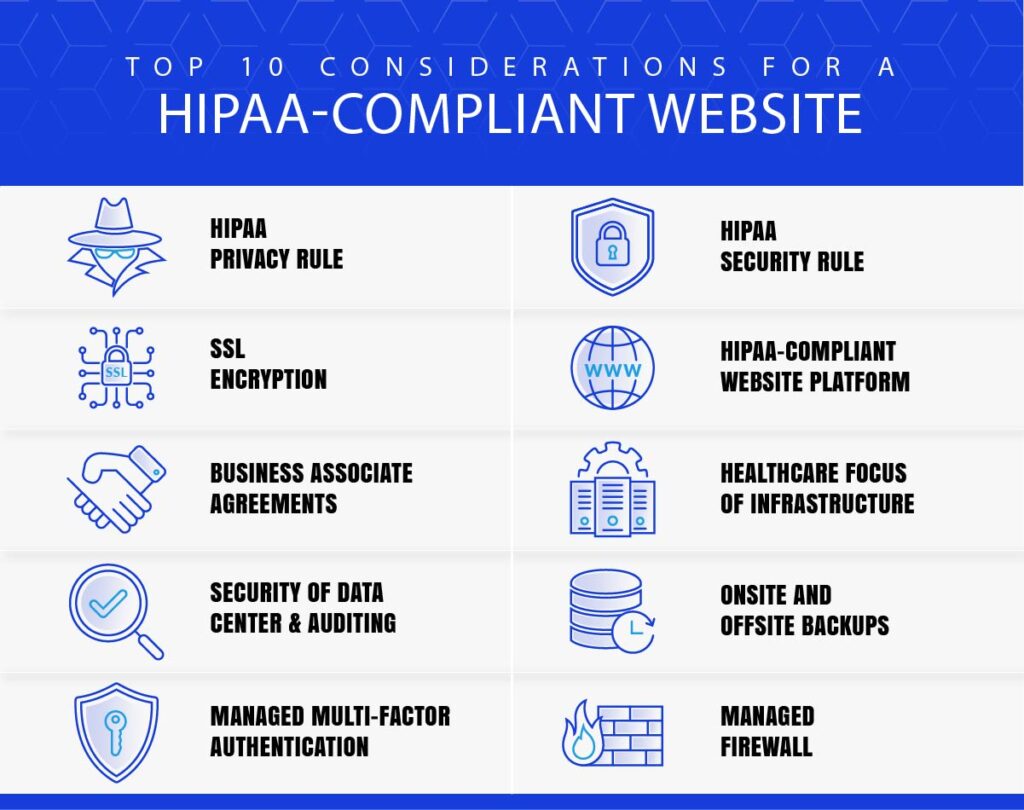
HIPAA (Health Insurance Portability and Accountability Act) requires all organizations handling PHI (Protected Health Information) to secure data at every stage—storage, transmission, access, and backup. This means your hosting environment must include strict controls around encryption, auditing, physical data center security, access logs, intrusion detection, and backup redundancy.
We aren’t just talking about regular best web hosting features here. HIPAA puts the responsibility on both the covered entity (you) and the hosting provider. If your hosting solution fails to meet HIPAA standards, you can face significant fines—even if it was your host’s fault.
That’s why choosing a secure, compliant, and dependable hosting provider is essential.
Who Needs HIPAA-Compliant Web Hosting?
I often see people confused about whether they actually need HIPAA hosting. So let me clarify.
You need HIPAA-compliant hosting if your website, portal, or application handles any form of PHI. This includes:
- Hospitals, clinics, diagnostic centers
- Telemedicine platforms
- EMR/EHR systems
- Healthcare SaaS companies
- Medical billing companies
- Health insurance agencies
- Mobile health apps
- Medical research platforms
Even if your platform doesn’t store medical records directly, but interacts with them indirectly (through forms, messaging, uploads, or integrations), you must use a HIPAA-certified secure hosting provider.
Key Requirements of HIPAA-Compliant Hosting
HIPAA compliance is more than just using SSL. It’s a complete security ecosystem. Here are the essential features every HIPAA hosting plan must include—and I want you to pay attention because these are make-or-break criteria.
a) Data Encryption
Your hosting must include:
- Encrypted storage (AES-256)
- Encrypted backups
- Encrypted data transmission (TLS/SSL)
Encryption ensures that even if data is intercepted, it can’t be read.
b) Access Controls
Only authorized users can access PHI. That means:
- Multi-factor authentication
- Role-based access
- Account-level restrictions
c) Activity Monitoring & Audit Logs
Hosting must have:
- Full access logs
- Automated monitoring
- Intrusion detection systems (IDS)
d) Physical Data Center Security
This includes:
- Biometrics
- On-site security
- 24/7 surveillance
- Controlled access
Not every affordable web hosting provider can meet these requirements.
e) Business Associate Agreement (BAA)
This is the most important piece. Your provider must sign a BAA stating they take responsibility for HIPAA compliance on their end.
If a hosting company doesn’t offer a BAA, they are NOT HIPAA compliant—no matter what they claim.
Benefits of Choosing HIPAA-Compliant Hosting
Choosing compliant hosting isn’t just about avoiding fines—it delivers significant advantages.
Here’s what businesses like ours gain:
a) Enhanced Security
You get enterprise-level security that most standard web hosting plans don’t offer.
b) Legal Protection
With the BAA in place, you reduce liability and ensure regulatory compliance.
c) Reliability & Uptime
Most HIPAA providers offer high availability, redundant backups, and disaster recovery.
d) Scalability
If you’re building a telemedicine platform or healthcare SaaS product, you can scale securely using:
- Cloud hosting
- Managed hosting
- Virtual private servers (VPS)
e) Trust & Professionalism
Patients and partners trust platforms with reliable, secure hosting infrastructure.
Features to Look for When Choosing a HIPAA Web Hosting Provider
When evaluating the best web hosting provider for HIPAA compliance, here are the features I believe are non-negotiable:
- Dedicated firewalls
- End-to-end encryption
- Automated backups
- High availability servers
- 24/7 monitoring & support
- Disaster recovery environment
- Isolated server environment (no shared hosting)
- Compliance auditing tools
A good host should also provide:
- Architecture recommendations
- Server hardening
- Performance optimization
- Secure application deployment
Best HIPAA-Compliant Web Hosting Providers (Updated 2025)

Here’s the section you asked for — the most competitive and SEO-friendly part of the article.
These are the top HIPAA-compliant hosting providers based on security, reliability, support, and value.
1. Liquid Web (Best Overall HIPAA Hosting)
Liquid Web consistently ranks as the best choice for HIPAA hosting due to its strong infrastructure and dedicated compliance support.
Key Features:
- Dedicated HIPAA servers
- Managed hosting with IDS/IPS
- Encrypted backups
- Load-balanced architecture
- Signed BAA
Liquid Web is not the cheapest, but it’s the most secure and stable option for serious healthcare companies.
2. Atlantic.Net (Best for Budget HIPAA Hosting)
If you’re looking for affordable HIPAA-compliant hosting, Atlantic.Net is widely recognized as the most cost-effective.
Key Features:
- HIPAA cloud hosting
- Real-time monitoring
- Affordable pricing
- Encrypted VPN access
- BAA included
They offer both VPS hosting and dedicated HIPAA servers at competitive prices.
3. AWS HIPAA Hosting (Best for Enterprise Solutions)
AWS powers some of the biggest health tech systems.
Key Features:
- HIPAA-eligible cloud services (S3, EC2, RDS, Lambda)
- World-class infrastructure
- Advanced compliance tools (CloudTrail, Shield, KMS)
- Scalable for enterprise workloads
AWS requires technical expertise but is unmatched in scalability.
4. Google Cloud HIPAA Hosting
A strong, scalable, and reliable HIPAA hosting option for developers and SaaS companies.
Key Features:
- Secure cloud architecture
- HIPAA-eligible services
- Strong identity & access management
- Enterprise-grade uptime
5. Rackspace
Rackspace specializes in managed cloud hosting for healthcare companies.
Key Features:
- End-to-end management
- PHI-ready servers
- 24/7 security teams
- Signed BAA
Pricing & Cost Breakdown of HIPAA Hosting
HIPAA hosting is more expensive than regular cheap web hosting due to compliance requirements.
Here’s a general pricing breakdown:
| Type of Hosting | Typical Monthly Cost |
|---|---|
| HIPAA shared hosting | Not allowed |
| HIPAA VPS | $50 – $300 |
| HIPAA Dedicated Server | $250 – $800 |
| HIPAA Cloud Hosting | $75 – $500 |
| Enterprise HIPAA Cloud (AWS/GCP) | Custom |
Costs vary based on:
- Server size
- Storage
- Compliance layers
- Backup & recovery system
- Support level
How to Decide Which HIPAA Web Hosting Provider Is Right for You
To choose the right hosting provider, consider:
- Your budget
- Expected traffic
- Level of technical support needed
- Whether you need managed or unmanaged hosting
- Compliance complexity
- Future scalability
If you’re a startup, go for Atlantic.Net.
If you’re mid-sized, try Liquid Web.
If you’re enterprise-level, AWS or Google Cloud works best.
Final Thoughts: Is HIPAA-Compliant Hosting Worth It?
I believe HIPAA-compliant hosting is absolutely essential for any business handling patient data. It’s not just about following the law—it’s about building trust, protecting your brand reputation, and ensuring long-term security.
With the right web hosting provider, you don’t just meet compliance—you create a robust, future-ready healthcare platform that patients and partners can rely on.
If you need help choosing the right provider or want a comparison table added, just tell me—I can expand this article further.